
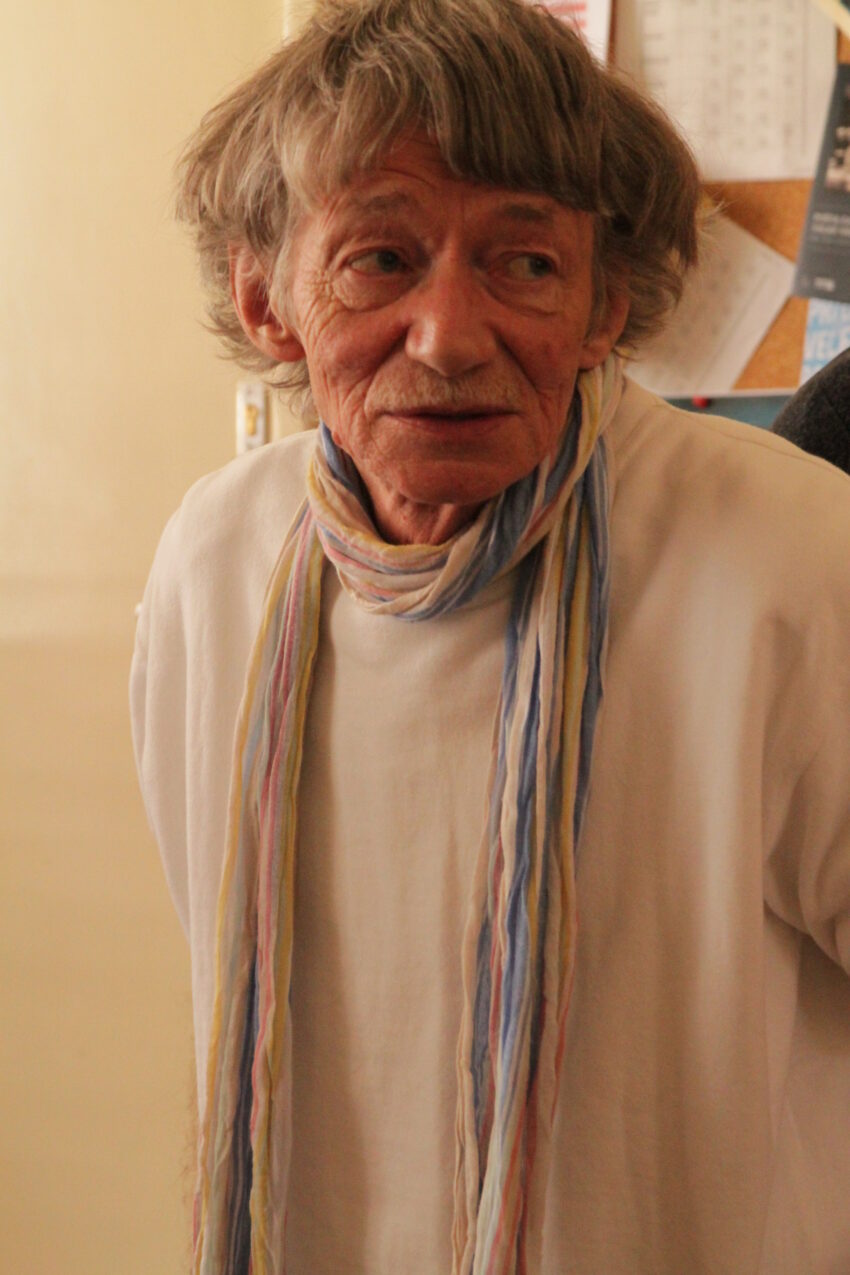
Koncem května oslavil doc. PhDr. František Vrhel, CSc. své kulaté narozeniny – bylo mu 80 let. Pár dnů nato, 16. 6. 2023 ve večerních hodinách, zemřel.
Vystudovaný rusista soustředěný na Puškina a hispanista se svými Bioyem Casaresem a Borgesem se během celoživotního působení na Filozofické fakultě Univerzity Karlovy (na studia nastoupil v roce 1961, a odešel prakticky poslední přednáškou 22. února 2023) posouvá od tématu k tématu. V devadesátých letech dvacátého století se mu po vzoru Franze Boase, zakladatele americké antropologie, říkalo Papá Franz.
Všichni si ho pamatujeme jako dlouholetého ředitele Ústavu etnologie FF UK. František Vrhel nebyl jen porevolučním ředitelem Ústavu – vedl ho od roku 1990 až do roku 2015. Dvě volební období (1994-2000) děkanoval Filozofické fakultě UK a tři roky před tím (1991-1994) působil na téže instituci jako proděkan pro zahraniční záležitosti. Doba jeho působení na vysokých postech fakulty byla jakýmsi dovršením jeho formální kariéry. Každý, kdo ho z té doby pamatuje, vzpomene nejrůznější úspěchy, kterých bylo v devadesátých letech zapotřebí. Nebál se velkých projektů, jako byla rekonstrukce Šporkova paláce v Hybernské ulici. Nebál se dlouhodobých zahraničních projektů, za všechny vzpomenu každoročně se vracející jarní přednáškové cykly francouzských kolegů, pořádané v květnu ve spolupráci s CEFRESem (Francouzský ústav pro výzkum ve společenských vědách v Praze od roku 1991). Vždy přitahovaly značnou pozornost a působily jako osvěžující zdroj inspirace. František Vrhel byl totiž schopen soustředit kolem sebe zajímavé a inspirativní osobnosti a přesvědčit je ke spolupráci. Nutno dodat, že nejen z Francie. Jeho erudovaný a laskavý přístup ke kolegům téměř vždy v tomto ohledu zvítězil. I ti, kteří byli zaměstnání na nejrůznějších odděleních tehdejšího děkanátu, na něj vzpomínají slovy „byl to nejlepší šéf, kterého jsme měli“. Ne, to není vlichocení se, to je fakt. Samozřejmě by skromně řekl: „…zase přeháníš…“.
Celoživotním zájmem Františka Vrhela se stalo dílo argentinského spisovatele Jorge Luise Borgese (1899-1986), jehož překlady představil již v osmdesátých letech. Jeho nezapomenutelným překladem byla Borgesova sbírka „Fantastická zoologie“, která spatřila světlo světa poprvé v roce 1987. Když studenti etnologie začali vydávat studentský časopis Cargo, s nadšením pro ně přeložil Borgesovu povídku „Etnograf“ (Cargo 1999, sv. 3,4, s. 277-278). Jeden z největších okamžiků pro něj bylo setkání s Borgesovou ženou, Maríou Kodamou, když přijela do Prahy. František Vrhel se často vracel k Borgesovu dílu ve všech jeho podobách a věnoval mu mnoho svého úsilí („Borges y Praga in: El siglo de Borges“, Vervuert 1999, sv. 1, s. 439-449.; Borges a Kafka: slovo k povídce „Tajný zázrak“ Svět literatury 2004, č. 28, 29, 30, s. 120-129. – jen příklady).
Druhou osobností, které se s oblibou věnoval, byl francouzský strukturalista Claude Lévi‑Strauss (v rámci série studií věnovaných pražského strukturalismu také ve studii „Etnologie a pražský strukturalismus II: Claude Lévi-Strauss“, in: Český lid 2007, sv. 95, č. 1, s. 1.15.).
Vědecké působení Františka Vrhela samozřejmě nelze zúžit na dvě osobnosti. Byl schopen se vyjádřit k tématům, které přesahují běžný etnologický rámec – jako mistr krátkých, výstižných textů, které se vyznačovaly precizní volbou argumentů i slov. Vždy odkazoval na svého velkého učitele, profesora Vladimíra Skaličku, jehož byl studentem a kterého si upřímně vážil.
František Vrhel se zabýval také studiemi pojednávajícími o chaosu, antropologii sexuality, a zejména se zaměřoval na lingvistickou antropologii, která byla základem jeho původního studia jazyků. Nenechávala ho klidnou typologie jazyků, stejně jako vztahy mezi jazyky – mezi jeho významné práce patří studie zaměřená na tarahumarštinu a kavkazské jazyky.
Nesmíme zapomenout na jeho začátky v oblasti amerikanistiky, které věnoval svá raná léta – jeho pobyty jak v Mexiku (roční pobyt na INAHu), tak v Peru, ho nasměrovaly nejen lingvisticky, ale i kulturně. Přednášení však začínal – alespoň to takto vždy tvrdil – amerikanistickými zájmy. Také některé studie tomu odpovídají („Popol Vuh y la Cosmología Maya“, Ibero-Americana Pragensia, r. 8, s. 171-178).
K jeho spíše kulturním aktivitám patří nejrůznější překlady amerikanistických a literárních děl, včetně prací již zmiňovaného Jorge Luise Borgese, Adolfa Bioy Casarese a Friedricha Katze (Staré americké civilizace, Odeon 1989).
Během svého pobytu v Mexiku se v něm probudil zájem o antropologii, ačkoli vždy zdůrazňoval blízkou spojitost mezi etnologií a antropologií, navzdory současnému duchu disciplíny. Měl k tomu vždy opodstatnění: vliv německé koncepce oboru. V tomto duchu také orientoval katedru, později Ústav etnologie.
Široce rozkročený program zahrnoval antropologii, historii a dosti masivní domácí českou etnografii, přičemž zahrnoval do studijních programů i významný aspekt folkloru, který při studiu kultury považoval za velmi důležitý. Od devadesátých let se spolu s kolegy na Ústavu zaměřoval na rozvoj výuky etnicity a etnologie areálů.
V posledních několika letech, během jeho řízení Ústavu, se v oblasti areálových studií rozšířila škála specializací o vietnamistiku a indonesistiku, které se staly velmi úspěšnými studijními programy.
Jeho přednášky byly žádané i v zahraničí. Během svého života přednášel na nejrůznějších univerzitách světa – v Kanadě, Španělsku, Mexiku, do Paříže se vracel na přednáškové cykly na EHESS, v Německu, na Slovensku – zvláště na bratislavské Univerzitě Komenského, několik let působil na Trnavské univerzitě. Přednáškově působil i v Polsku – v univerzitních městech Wroclaw, Krakov a Toruň. Nejen v rámci Ústavu etnologie absolvoval a aktivně se podílel na organizaci mnoha konferencí, které se zaměřovaly na různorodá témata.
Není přehnané říci, že byl oblíben u svých kolegů, podřízených, blízkých přátel i vzdálenějších známých. Není přehnané říci, že jej obdivovali i studenti. Skupina z nich kolem časopisu Cargo byla jen začátkem. Do svých posledních dnů, do posledních svých přednášek, které násilím přerušila nemoc a skon uprostřed semestru, se o něj jeho současní i bývalí studenti zajímali.
Vzpomínáme a dlouho budeme.
Zuzana Korecká
Rozhovor s emeritním děkanem FF UK doc. Vrhelem (Kulturní studia 2/2018)

At the end of May, Associate Professor František Vrhel celebrated a milestone birthday—his eightieth. Just a few days later, on the evening of 16 June 2023, he passed away.
A scholar trained in Russian studies with a particular interest in Pushkin, and a Hispanist devoted to the works of Bioy Casares and Borges, František Vrhel moved with remarkable ease from one field of inquiry to another throughout his lifelong association with the Faculty of Arts, Charles University. He entered the Faculty as a student in 1961 and remained active there until virtually his final lecture on 22 February 2023. During the 1990s, in affectionate homage to Franz Boas, the founder of American anthropology, colleagues and students alike referred to him as “Papá Franz”.
Most of us remember him above all as the long-serving Director of the Institute of Ethnology at the Faculty of Arts. Yet František Vrhel was far more than a post-1989 director. He led the Institute from 1990 until 2015. He also served as Dean of the Faculty of Arts, Charles University, for two consecutive terms (1994–2000), having previously held the position of Vice-Dean for International Affairs between 1991 and 1994. These years in the Faculty’s highest offices represented the culmination of his formal academic career.
Those who remember the 1990s will recall the many challenges and opportunities that accompanied the transformation of Czech higher education. František Vrhel approached both with characteristic confidence and vision. He was unafraid of ambitious undertakings, including the extensive reconstruction of the historic Špork Palace in Hybernská Street. Equally important were the long-term international partnerships he helped establish and sustain. Among these, one particularly memorable example was the annual spring lecture series delivered by French scholars and organised each May in cooperation with CEFRES (the French Research Centre in Humanities and Social Sciences in Prague, founded in 1991). These lectures consistently attracted wide audiences and provided an invaluable source of intellectual inspiration.
One of František Vrhel’s greatest gifts was his ability to bring together stimulating and talented individuals and persuade them to work towards a common goal. Nor was this talent limited to French academic circles. His combination of intellectual authority, generosity, and genuine personal warmth almost invariably won people over. Even colleagues who worked in the various administrative offices of the Faculty still remember him fondly, often saying: “He was the best boss we ever had.” This is not flattery; it is simply true. Characteristically, he would have responded with a modest smile: “You are exaggerating again.”
A lifelong intellectual passion of František Vrhel was the work of the Argentine writer Jorge Luis Borges (1899–1986), whose writings he introduced to Czech readers through translation as early as the 1980s. Among his most celebrated achievements was his translation of Borges’s Book of Imaginary Beings, first published in Czech in 1987. When students of ethnology launched the journal Cargo, he enthusiastically translated Borges’s short story “The Ethnographer” for publication in its pages (Cargo, 1999, vols. 3–4, pp. 277–278).
One of the highlights of his life was meeting Borges’s widow, María Kodama, during her visit to Prague. He returned repeatedly to Borges’s work throughout his career, approaching it from literary, philosophical, and anthropological perspectives alike, and devoted many studies to its interpretation (“Borges y Praga”, in: El siglo de Borges, Vervuert, 1999, vol. 1, pp. 439–449; “Borges and Kafka: A Note on ‘The Secret Miracle’”, Svět literatury, 2004, nos. 28–30, pp. 120–129, among many others).
Another intellectual figure to whom he frequently returned was the French structuralist Claude Lévi-Strauss. His enduring interest in structuralism is reflected, among other works, in the study “Ethnology and Prague Structuralism II: Claude Lévi-Strauss”, published in Český lid (2007, vol. 95, no. 1, pp. 1–15).
To reduce František Vrhel’s scholarly legacy to these two figures, however, would be entirely misleading. He possessed an extraordinary ability to engage with topics extending well beyond the conventional boundaries of ethnology. He was a master of the concise scholarly essay—writing that combined intellectual precision with stylistic elegance and economy. Throughout his life he acknowledged the profound influence of his teacher, Professor Vladimír Skalička, whose student he had been and whom he deeply admired.
His scholarly interests encompassed studies of chaos, the anthropology of sexuality, and, above all, linguistic anthropology, a field that naturally reflected his original training as a linguist. Questions of language typology fascinated him throughout his career, as did the relationships between linguistic systems. Among his significant contributions were studies devoted to Tarahumara and the languages of the Caucasus.
Nor should one overlook his early engagement with American studies, to which he devoted the formative years of his academic career. Extended stays in Mexico—including a year at the National Institute of Anthropology and History (INAH)—and in Peru shaped him profoundly, both linguistically and culturally. Indeed, he always maintained that his teaching career began with interests rooted in American studies. Some of his earliest publications testify to this orientation, including “Popol Vuh y la Cosmología Maya” (Ibero-Americana Pragensia, vol. 8, pp. 171–178).
His broader cultural activities included numerous translations of works in American studies and literature, among them writings by Jorge Luis Borges, Adolfo Bioy Casares, and Friedrich Katz (Ancient American Civilisations, Odeon, 1989).
It was during his stay in Mexico that anthropology became one of his central intellectual commitments. Yet he consistently emphasised the close relationship between anthropology and ethnology, even when prevailing disciplinary trends tended to separate them. He attributed this perspective to the enduring influence of the German conception of the discipline, and it was very much in this spirit that he shaped both the Department and, later, the Institute of Ethnology.
The broad vision he championed encompassed anthropology, history, and a substantial component of Czech ethnography. It also recognised the importance of folklore studies, which he regarded as indispensable to any serious understanding of culture. From the 1990s onwards, together with his colleagues, he devoted considerable effort to developing the teaching of ethnicity and regional ethnology.
During the final years of his directorship, the Institute’s area studies programmes expanded further to include Vietnamese and Indonesian studies, both of which subsequently developed into highly successful academic programmes.
His reputation as a lecturer extended well beyond the Czech Republic. Throughout his career he taught and lectured at universities across the world—in Canada, Spain, Mexico, Germany, Poland, and Slovakia. He returned regularly to Paris to deliver lecture series at the EHESS, maintained close ties with Comenius University in Bratislava, and spent several years teaching at Trnava University. In Poland he lectured in Wrocław, Kraków, and Toruń. Alongside his academic duties at the Institute of Ethnology, he participated in and helped organise numerous scholarly conferences devoted to a wide range of topics.
It is no exaggeration to say that František Vrhel was admired by colleagues, staff, friends, and acquaintances alike. Nor is it an exaggeration to say that he was deeply respected by generations of students. The group associated with the journal Cargo was only the beginning. Until his final days, until the last lectures interrupted by illness and his untimely death in the middle of a semester, former and current students alike continued to seek him out, consult him, and remain interested in his work and his life.
We remember him, and we shall continue to do so for many years to come.
Zuzana Korecká